
全国客服热线:
18514232223
18514232223
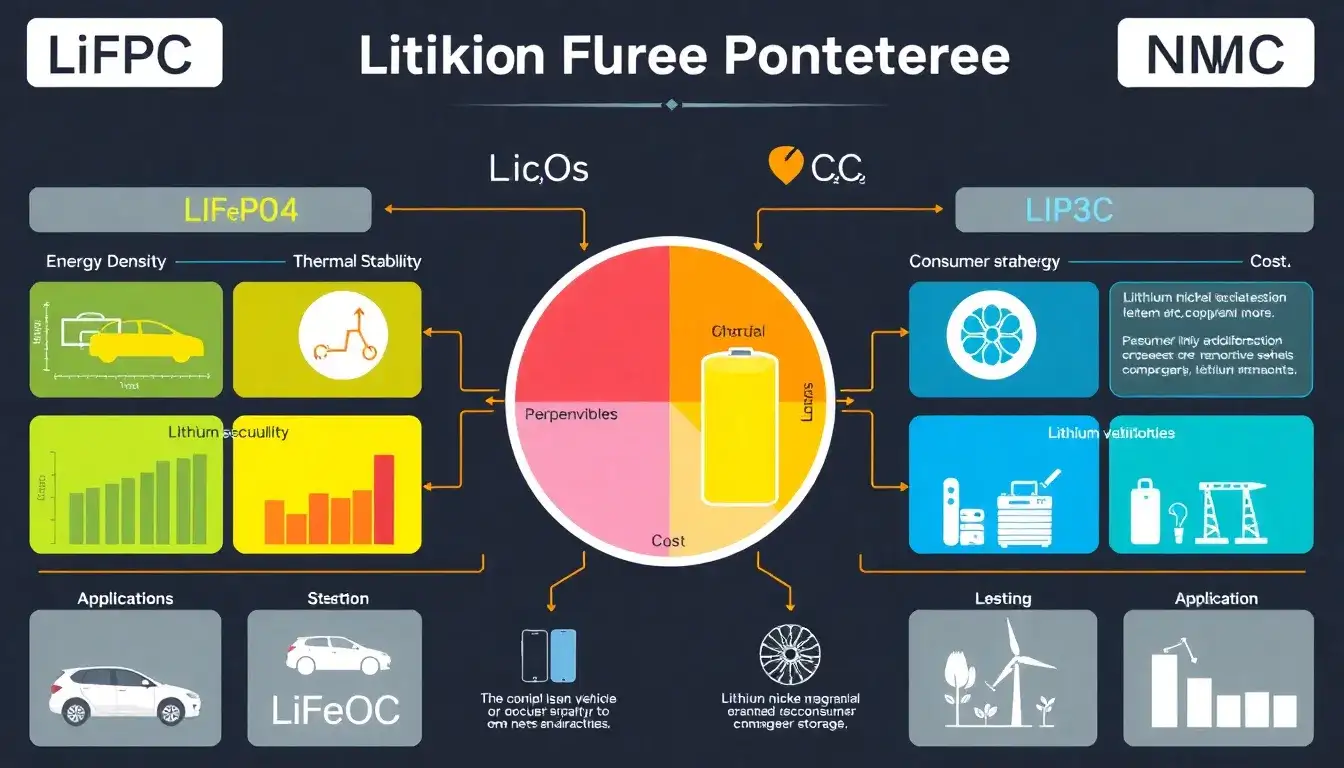
Lithium Iron Phosphate (LiFePO4) batteries and other lithium-ion chemistries have distinct differences in several key areas including safety, energy density, lifecycle, and environmental impact. Here’s a comprehensive comparison:
磷酸铁锂(LiFePO4)电池与其他锂离子电池化学体系在安全性、能量密度、循环寿命和环境影响等几个关键领域存在显著差异。以下是全面对比:
In summary, LiFePO4 batteries offer enhanced safety, longer cycles, and easier recycling, while other lithium-ion chemistries provide higher energy density and are preferred in applications requiring compact, high-energy storage. The choice between these technologies depends on specific application needs, such as safety, cost, and performance requirements.
总之,磷酸铁锂电池具有更高的安全性、更长的循环寿命和更易回收的特点,而其他锂离子电池则提供更高的能量密度,更适合需要紧凑型高能量存储的应用场景。这两种技术之间的选择取决于具体的应用需求,例如安全性、成本和性能要求。
When using power sources to run embedded components, it's not always simple to pop in a fresh set of batteries. Newer technologies, from smartphones to electric vehicles to portable power tools, require batteries that can hold a significant amount of energy, be lightweight enough to carry or move, and be safe for the user. Lithium batteries offer all these benefits for portable electronics, vehicles, medical equipment, and even grid energy storage.
当使用电源驱动嵌入式组件时,更换一组新电池并不总是那么简单。从智能手机到电动汽车,再到便携式电动工具,这些新技术需要能够储存大量能量、足够轻便以便携带或移动,并且对用户安全的电池。锂电池为便携式电子产品、车辆、医疗设备甚至电网储能提供了所有这些优势。
Lithium-ion and Lithium iron phosphate are two types of batteries used in today's portable electronics. While they both share some similarities, there are major differences in high-energy density, long life cycles, and safety. Most people are familiar with lithium-ion as they most likely own a smartphone, tablet, or PC. Lithium iron phosphate is a newer type of battery gaining recognition in the manufacturing industries due to its cost-effective materials and stability with high temperatures.
锂离子电池和磷酸铁锂电池是当今便携式电子产品中使用的两种电池类型。虽然它们有一些相似之处,但在高能量密度、长循环寿命和安全性方面存在重大差异。大多数人对锂离子电池都很熟悉,因为他们很可能拥有智能手机、平板电脑或个人电脑。磷酸铁锂电池是一种较新的电池类型,由于其材料成本低廉且在高温下具有稳定性,正在制造业中获得认可。
Charge and discharge rates of a battery are governed by C-rates. The capacity of a battery is commonly rated at 1C, meaning that a fully charged battery rated at 1Ah should provide 1A for one hour. The same battery discharging at 0.5C should provide 500mA for two hours, and at 2C it delivers 2A for 30 minutes.
电池的充放电速率由C倍率决定。电池的容量通常以1C为额定值,这意味着额定容量为1Ah的满电电池应能提供1A电流持续一小时。同一电池以0.5C放电时应能提供500mA电流持续两小时,而以2C放电时则能提供2A电流持续30分钟。
Lithium-ion can consist of two different chemistries for the cathode, lithium manganese oxide or lithium cobalt dioxide, as both have a graphite anode. It has a specific energy of 150/200 watt-hours per kilogram and a nominal voltage of 3.6V. Its charge rate is from 0.7C up to 1.0C as higher charges can significantly damage the battery. Lithium-ion has a discharge rate of 1C.
锂离子电池的正极可采用两种不同的化学成分:锰酸锂或钴酸锂,两者均采用石墨负极。其能量密度为150/200瓦时/千克,标称电压为3.6V。其充电倍率为0.7C至1.0C,因为更高的充电倍率会严重损坏电池。锂离子电池的放电倍率为1C。
There are significant differences in energy when comparing lithium-ion and lithium iron phosphate. Lithium-ion has a higher energy density at 150/200 Wh/kg versus lithium iron phosphate at 90/120 Wh/kg. So, lithium-ion is normally the go-to source for power hungry electronics that drain batteries at a high rate.
锂离子电池和磷酸铁锂电池在能量方面存在显著差异。锂离子电池的能量密度为150/200 Wh/kg,高于磷酸铁锂电池的90/120 Wh/kg。因此,锂离子电池通常是高耗电电子设备的首选,这些设备会快速消耗电池电量。
On the other hand, the discharge rate for lithium iron phosphate outmatches lithium-ion. At 25C, lithium iron phosphate batteries have voltage discharges that are excellent when at higher temperatures. The discharge rate doesn't significantly degrade the lithium iron phosphate battery as the capacity is reduced.
另一方面,磷酸铁锂电池的放电速率优于锂离子电池。在25C条件下,磷酸铁锂电池在高温下的电压放电表现优异。随着容量降低,放电速率不会显著损害磷酸铁锂电池。
Lithium iron phosphate has a lifecycle of 1,000-10,000 cycles. These batteries can handle high temperatures with minimal degradation. They have a long life for applications that have embedded systems or need to run for long lengths of time before needing to be charged.
磷酸铁锂电池的生命周期为1,000至10,000个循环。这些电池能够承受高温,且性能衰减极小。对于需要嵌入式系统或需要长时间运行才能充电的应用场景,它们具有较长的使用寿命。
For lithium-ion, the higher energy density makes it more unstable, especially when dealing with higher operating temperature environments. It has a life cycle of 500-1,000 cycles as it can be negatively impacted based on the operating temperature of the electronics or working components.
对于锂离子电池,较高的能量密度使其更不稳定,尤其是在处理较高工作温度的环境时。它的循环寿命为500-1,000次,因为电子设备或工作部件的工作温度可能会对其产生负面影响。
When it comes to storing unused batteries, it is important to pick a chemistry that doesn't lose its charge over long periods of time. Instead, the battery should give close to the same charge performance as when it is used for over a year. Both lithium iron phosphate and lithium ion have good long-term storage benefits. Lithium iron phosphate can be stored longer as it has a 350-day shelf life. For lithium-ion, the shelf life is roughly around 300 days.
在储存未使用电池时,选择一种不会在长时间内失去电荷的化学成分至关重要。相反,电池应在存放一年多后仍能提供与使用时几乎相同的充电性能。磷酸铁锂和锂离子电池都具有良好的长期储存优势。磷酸铁锂电池的保质期为350天,因此可以储存更长时间。而锂离子电池的保质期大约在300天左右。
Manufacturers across industries turn to lithium iron phosphate for applications where safety is a factor. Lithium iron phosphate has excellent thermal and chemical stability. This battery stays cool in higher temperatures. It is also incombustible when it is mishandled during rapid charges and discharges or when there are short circuit issues. Lithium iron phosphate does not normally experience thermal runaway, as the phosphate cathode will not burn or explode during overcharging or overheating as the battery remains cool.
各行业的制造商在需要考虑安全性的应用场景中都会选择磷酸铁锂。磷酸铁锂具有优异的热稳定性和化学稳定性。这种电池在高温环境下也能保持低温。即使在快速充放电过程中操作不当,或出现短路问题,它也不会起火。磷酸铁锂通常不会发生热失控,因为磷酸盐正极在过充或过热时不会燃烧或爆炸,电池始终保持低温。
However, the chemistry of lithium-ion does not have the same safety advantages as lithium iron phosphate. Its high energy density has the disadvantage of causing the battery to be unstable. It heats up faster during charging as a lithium-ion battery can experience thermal runaway.
然而,锂离子的化学特性并不具备磷酸铁锂相同的安全优势。其高能量密度会导致电池不稳定的缺点。在充电过程中,锂离子电池升温更快,可能会发生热失控。
Another safety advantage of lithium iron phosphate involves the disposal of the battery after use or failure. A lithium-ion battery made with a lithium cobalt dioxide chemistry is considered a hazardous material as it can cause allergic reactions to the eyes and skin when exposed. It can also cause severe medical issues when swallowed. So, special disposal considerations must be made for lithium-ion. On the other hand, lithium iron phosphate is nontoxic and can be disposed of more easily by manufacturers.
磷酸铁锂的另一个安全优势在于电池使用后或失效后的处理。采用钴酸锂化学体系的锂离子电池被视为危险物质,因为暴露时可能引起眼睛和皮肤的过敏反应。误食还可能导致严重的健康问题。因此,锂离子电池必须采取特殊的处理措施。相比之下,磷酸铁锂无毒,制造商可以更轻松地对其进行处理。
大陆集团办事处总部联系方式:
电话:18514232223
邮 箱:nec_battery@yeah.net
公 司:NEC电池(NEC LiFePO4锂电池)集团办事处总部